Impermanent Resident

  • A Trip to Kyoto

    A Trip to Kyoto

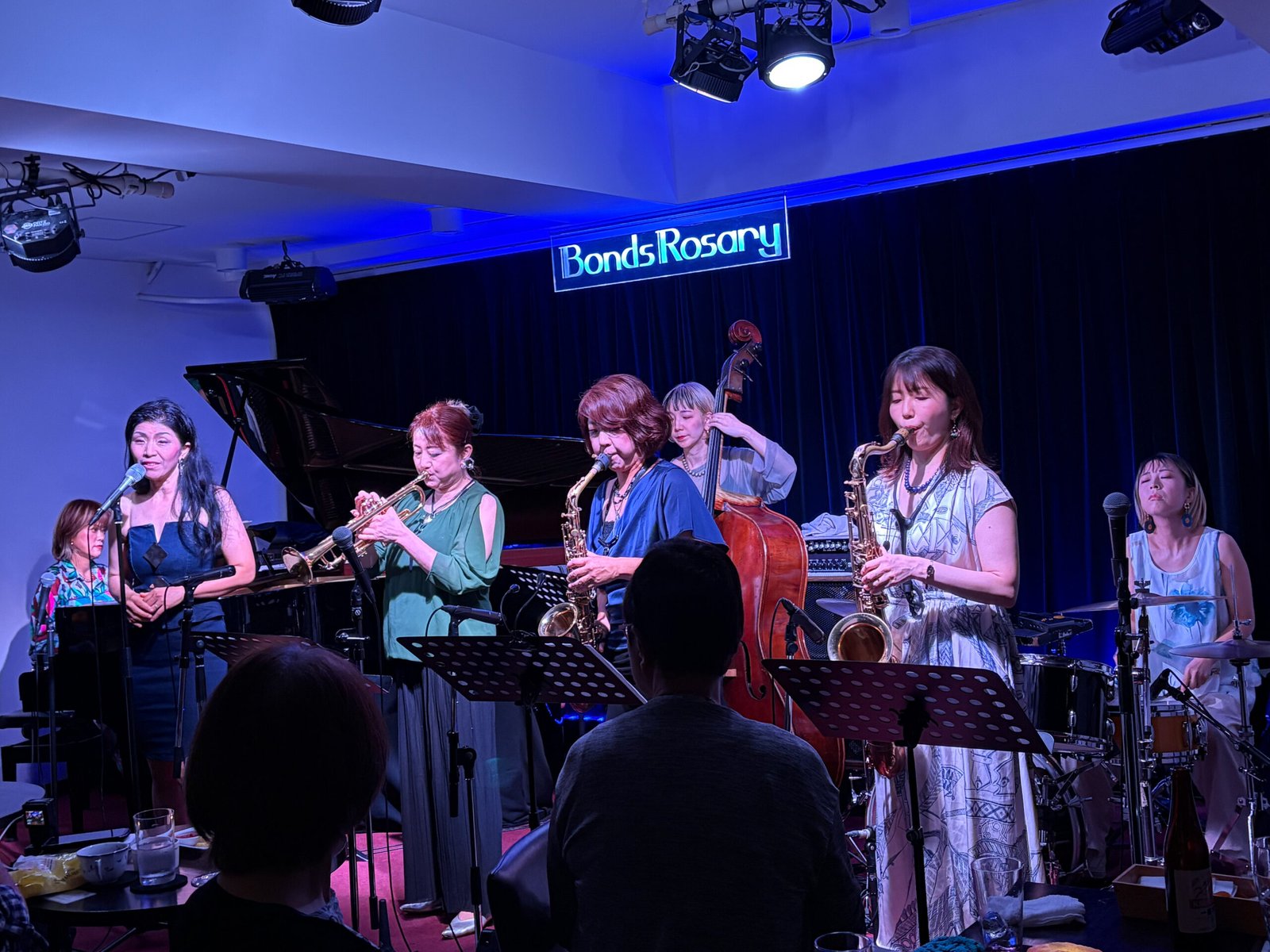
    On Saturday my wife and I drove to Kyoto and stayed overnight to see an evening performance by Taeko’s Kyoto Woman Jazz Band, at an excellent venue, Bonds Rosary. Seven talented musicians, all from Kyoto, put on an impressive show. Many thanks to them, and especially to Taeko for assembling such a great band.

    The morning after the show, while my wife was still sleeping, I took a walk in the neighborhood around our hotel, as I usually do on our overnight trips. Fortunately for me, this time our hotel was across from the JR train station. I love train stations, especially in Japan — the architecture, all the sights and sounds, the frenzied activity. But mostly, I like watching people.
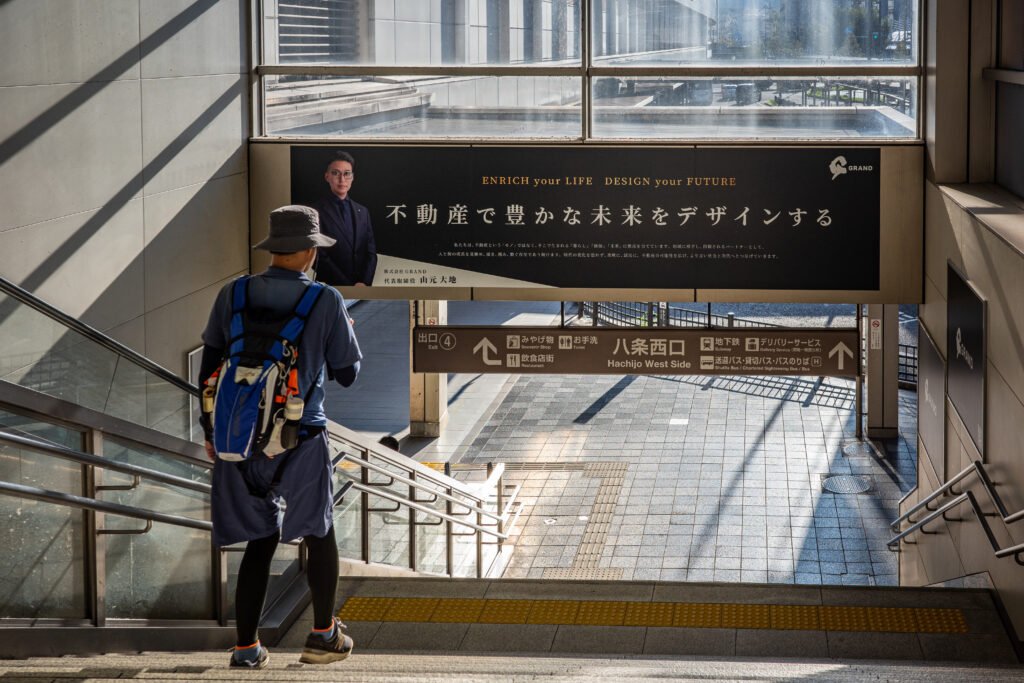
    It was early on a Sunday and not yet crowded. The sun was low in the sky, its golden light casting shadows throughout the station.
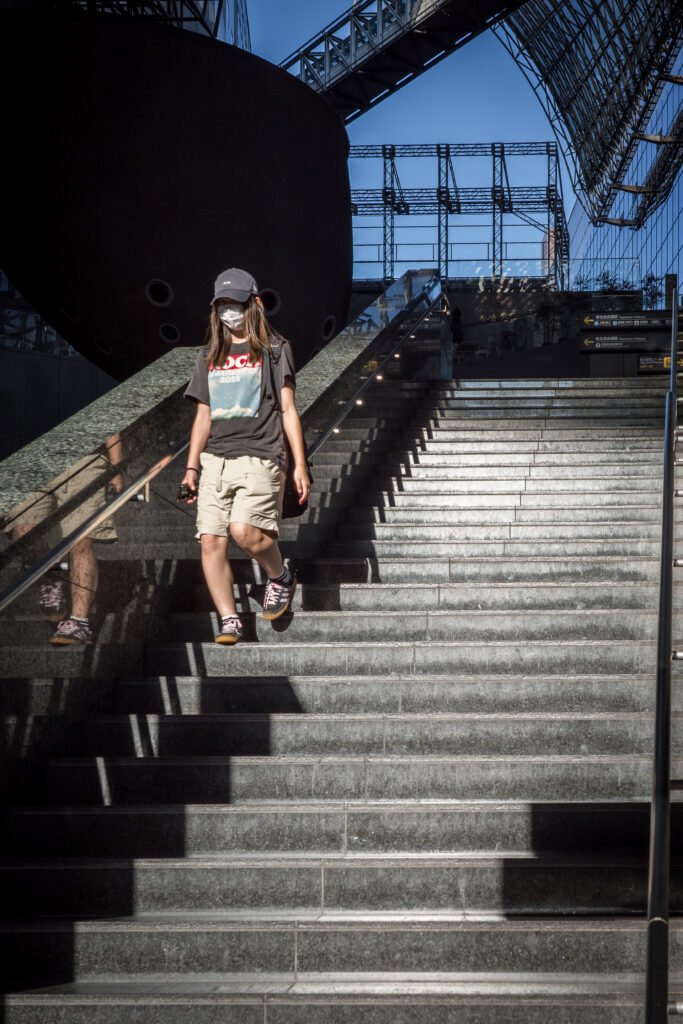
    To me, a Japanese train station always feels like a welcoming gateway to the rest of the city and all that it offers.
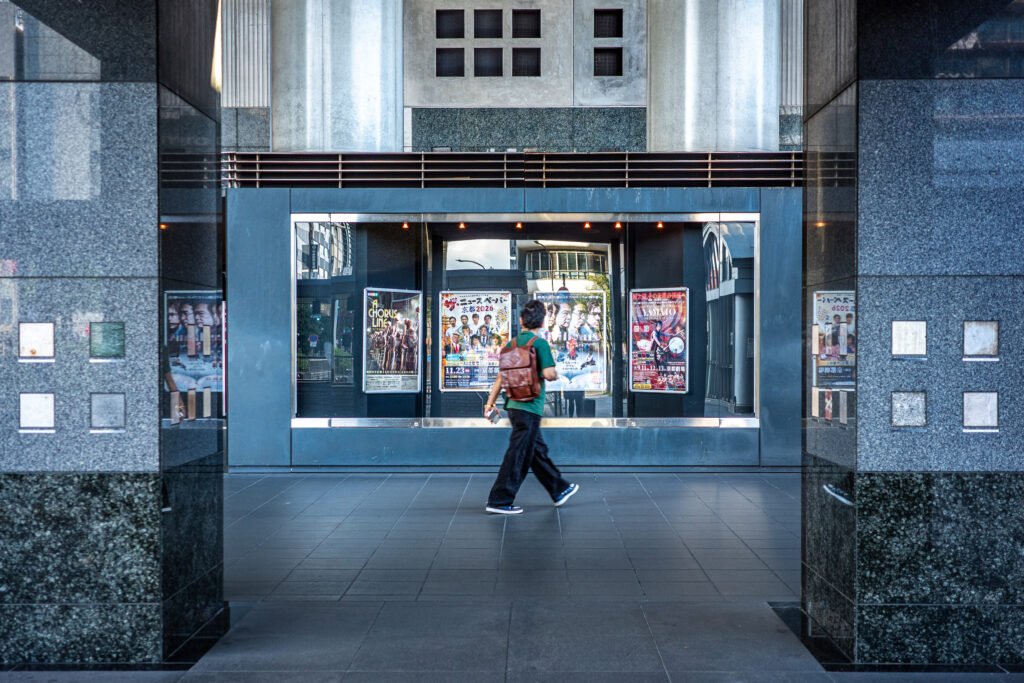
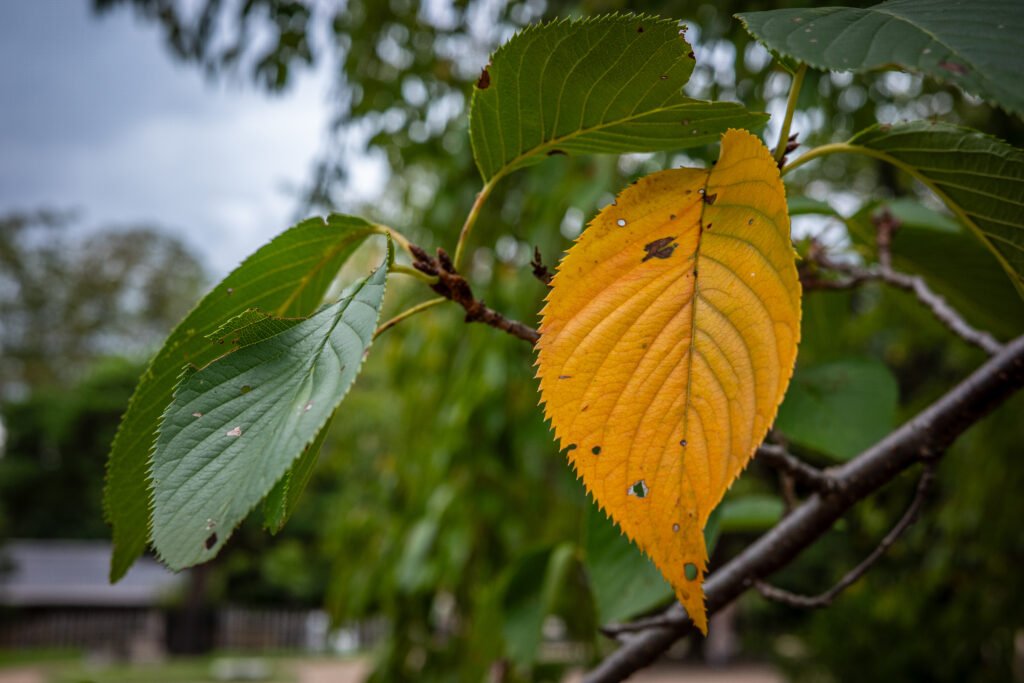
    Later in the morning my wife joined me for a walk around Kyoto. We noticed that the first fall foliage had begun to appear on the cherry trees.
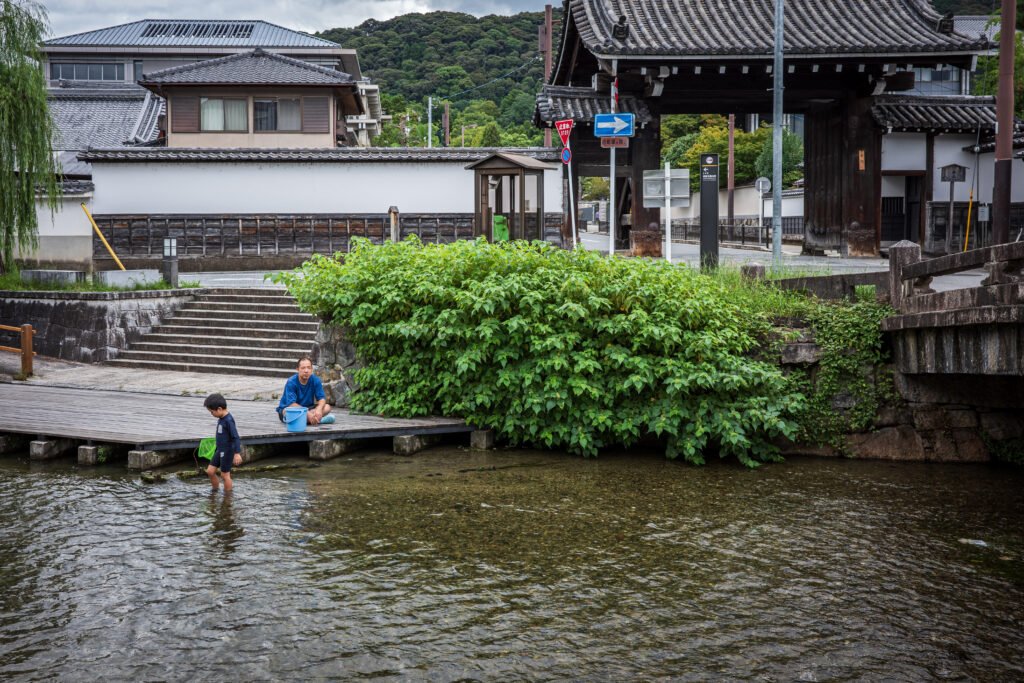
    Since it was Sunday, many parents were outside with their children, enjoying the cooler weather.
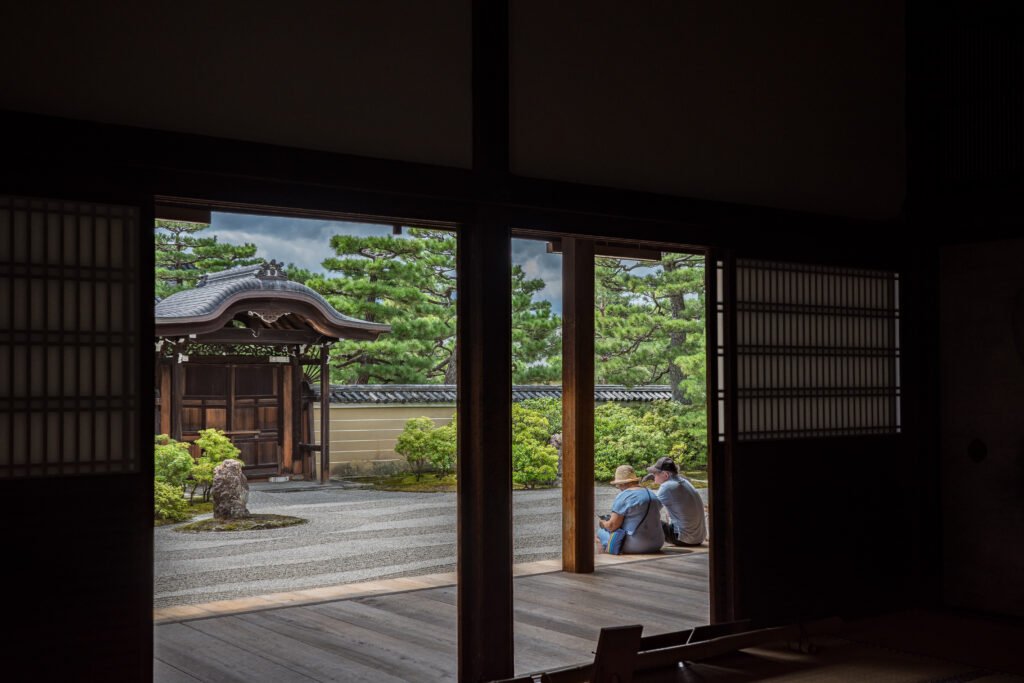
    We visited some of Kyoto’s renowned temples and gardens, joining a mix of Japanese and foreign tourists speaking a salad of languages. You hear a lot about Kyoto being over-touristed, but it didn’t feel at all that way today. It was a very chill, international vibe.
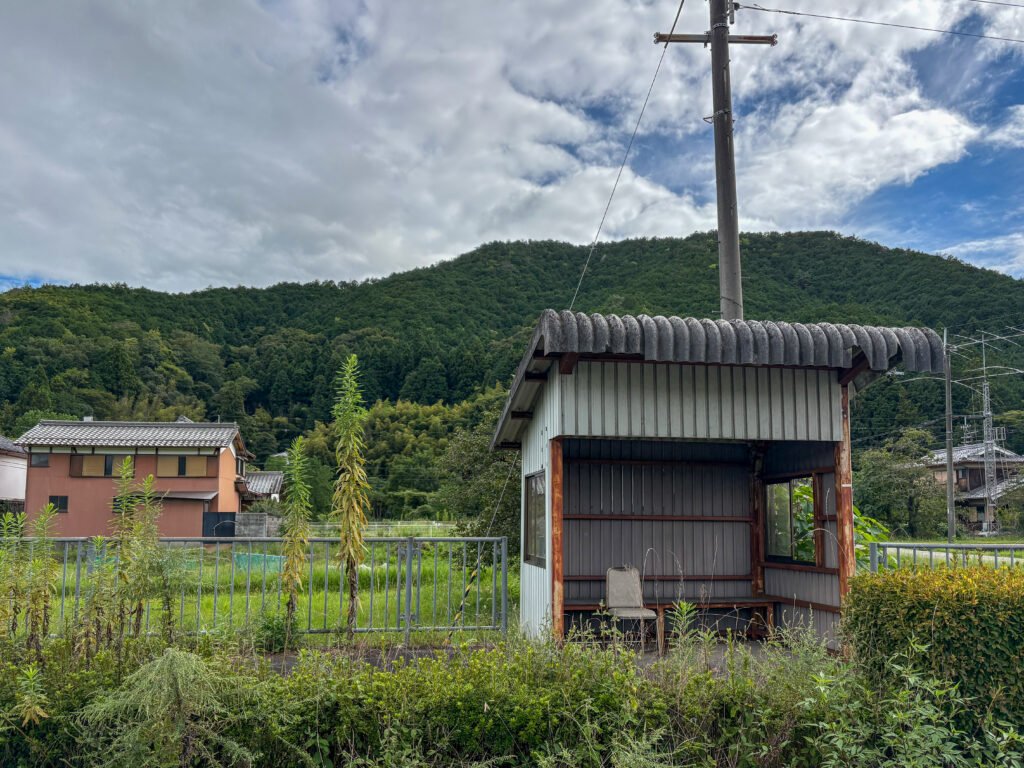
    We wanted to visit more places than we did (there is a potential lifetime of sight-seeing in that city), but we soon tired of walking and decided it would be best to save our energy for the journey home. We took it slow, along the back roads, and the city gradually thinned and became countryside.
    ***

  • Freedom through Limitations

    Freedom through Limitations

    I live in a small village and have walked the streets many times, and it would be easy for me to conclude that I’ve seen everything, but I know I haven’t. One way I continue to discover new things is to change the lenses that I use when I take photos, which forces me to see the same neighborhood from different perspectives.

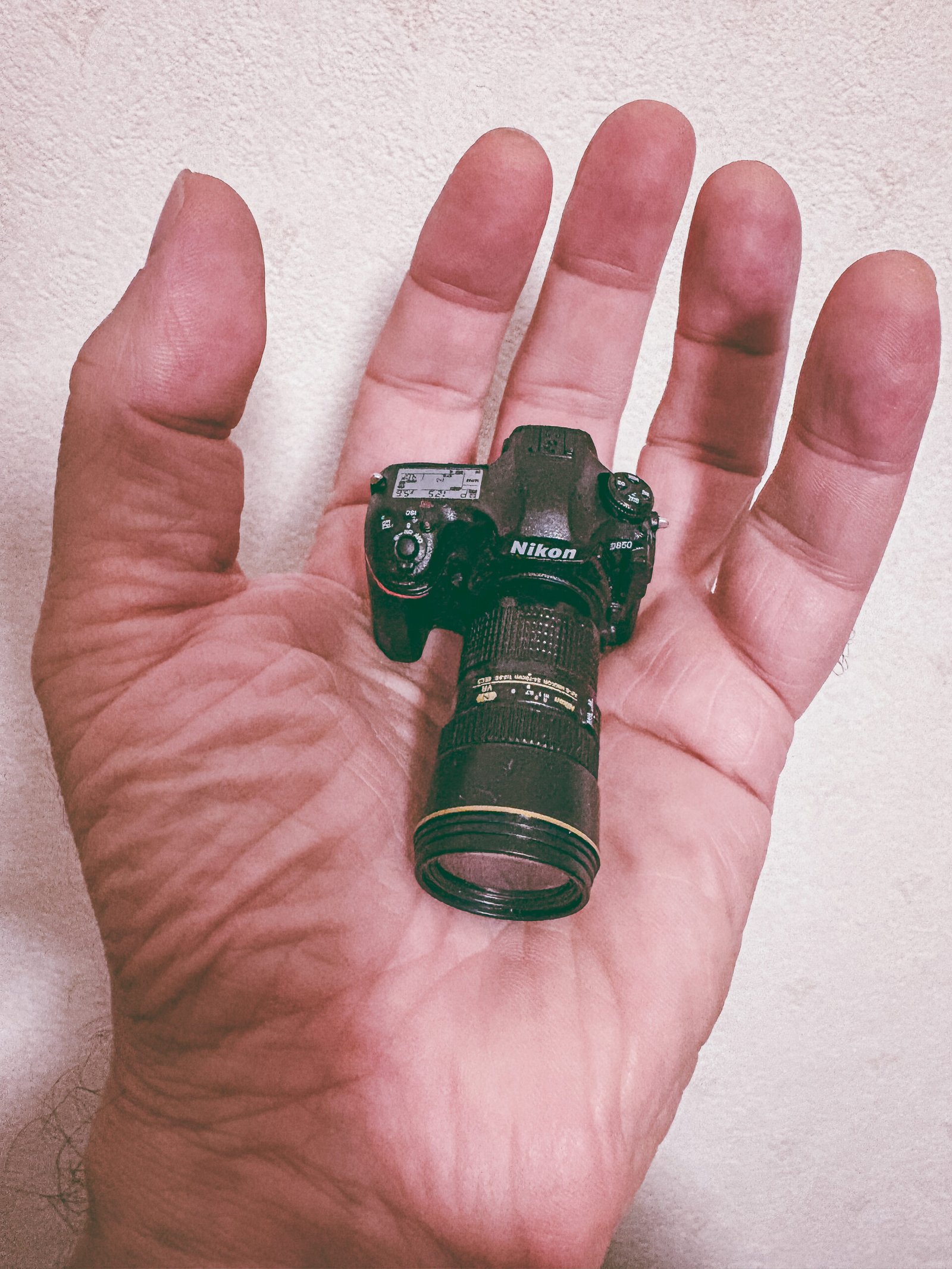
    For example, today I put a lens on my camera that I don’t often use — a 127mm fixed macro lens. A fixed lens is a lens that doesn’t zoom in or out. If you choose a subject and want to zoom in or out, you have to do it with your feet, physically moving towards or away from it — if you can. This may sound inconvenient, but I find the limitation is actually beneficial. It forces me to see things that can be captured best within that len’s particular focal length, and teaches me to see my familiar surroundings in new ways. With the lens I used today, which you could think of as permanently zoomed in, I tend to see greater detail in ordinary things.

    It also forces me to compose photos from unusual perspectives.

    There is a downside, which is that there were a lot of photos I wanted to take today that weren’t possible with the lens I’d chosen. I could have avoided that — by using a zoom lens with a wide range, or by carrying another fixed lens with a different focal length and switching to that, or by bringing along a second camera with a different lens — but imposing the limitation on myself was the whole point of today’s exercise. With other lenses I could have taken other photos, but I would have missed the ones I did take. You can’t see everything from every angle all at once.

    The Stoic philosophers of Ancient Greece and Rome understood that there are always limits in life, and that freedom comes from embracing those limits and making them work. Amor fati — love your fate. At a micro level, tonight I chose my photographic fate by carrying only a single, fixed lens. At a macro level, I’ve chosen (among other things) to live in the Japanese countryside, with all its limitations — many of which I could not have anticipated. Because of them — not in spite of them — I’m free.

    ***

  • Weaving

    Weaving

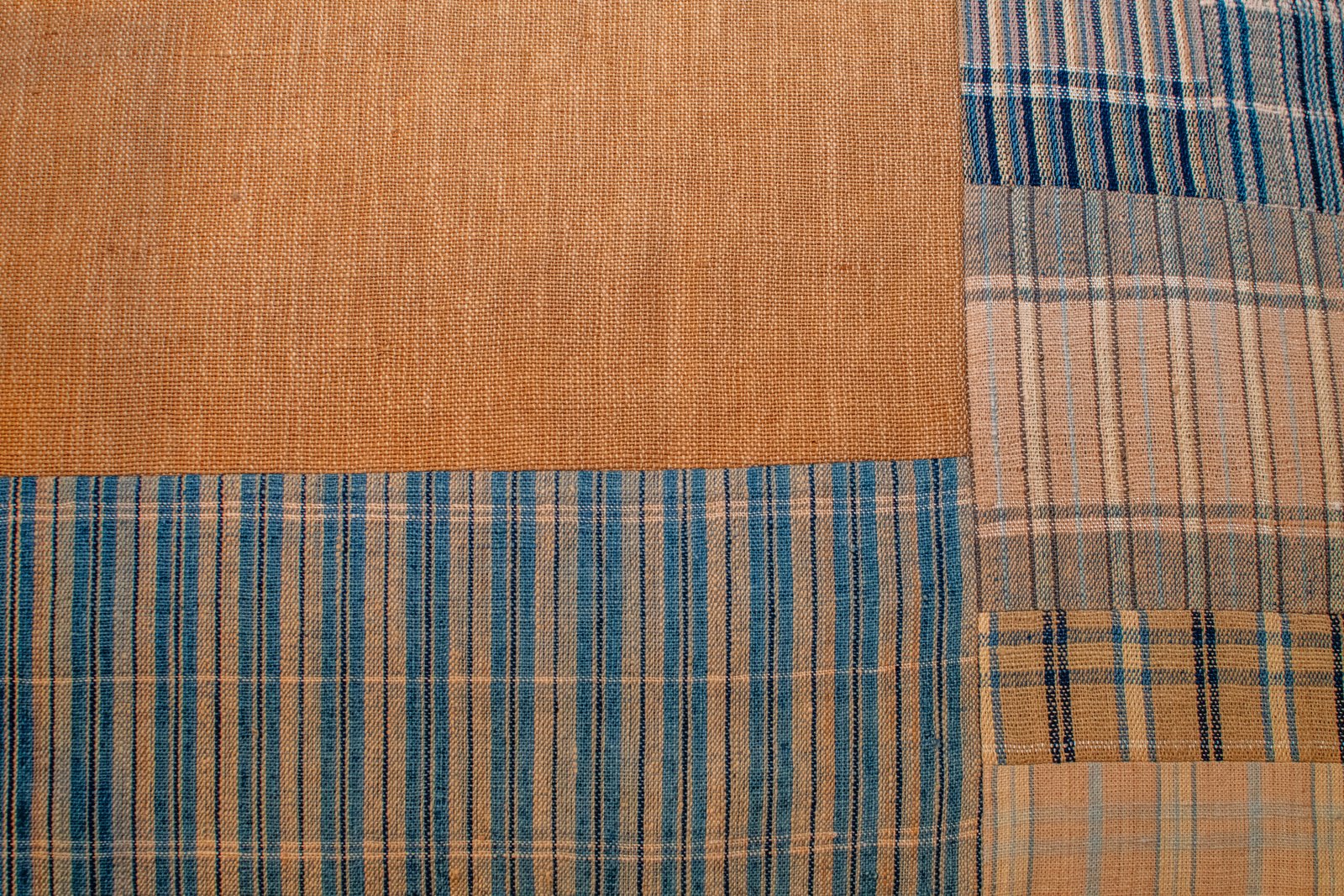
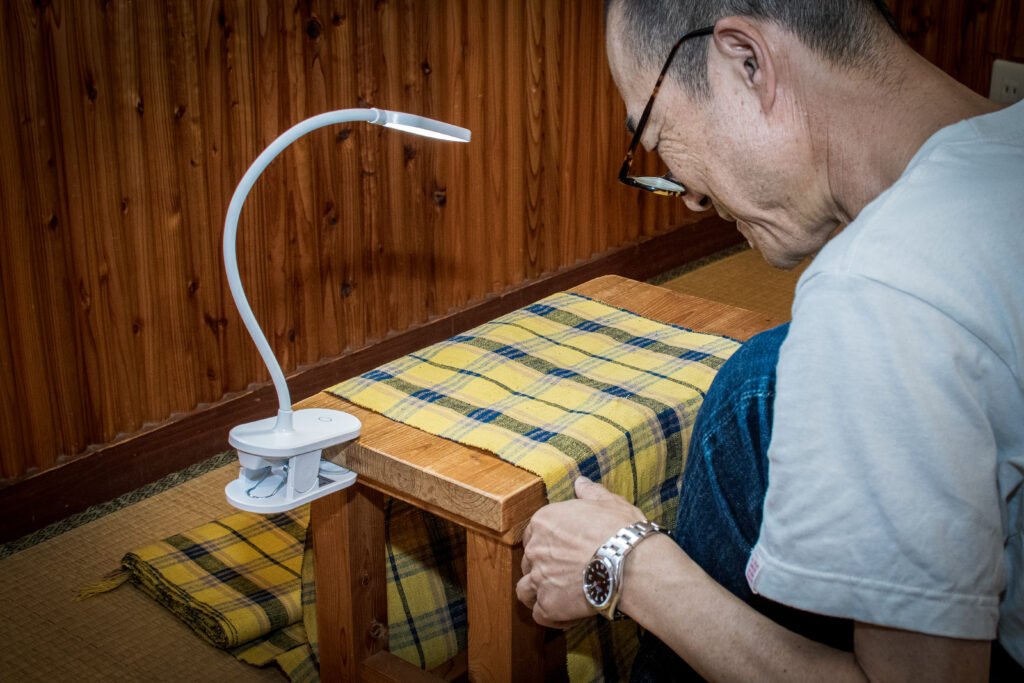
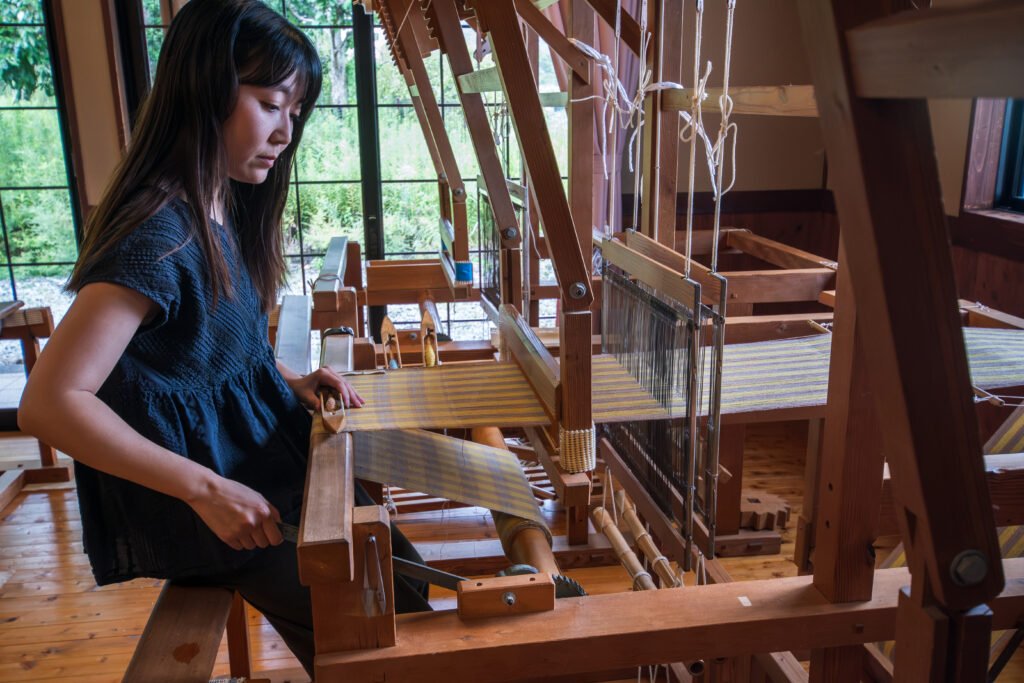
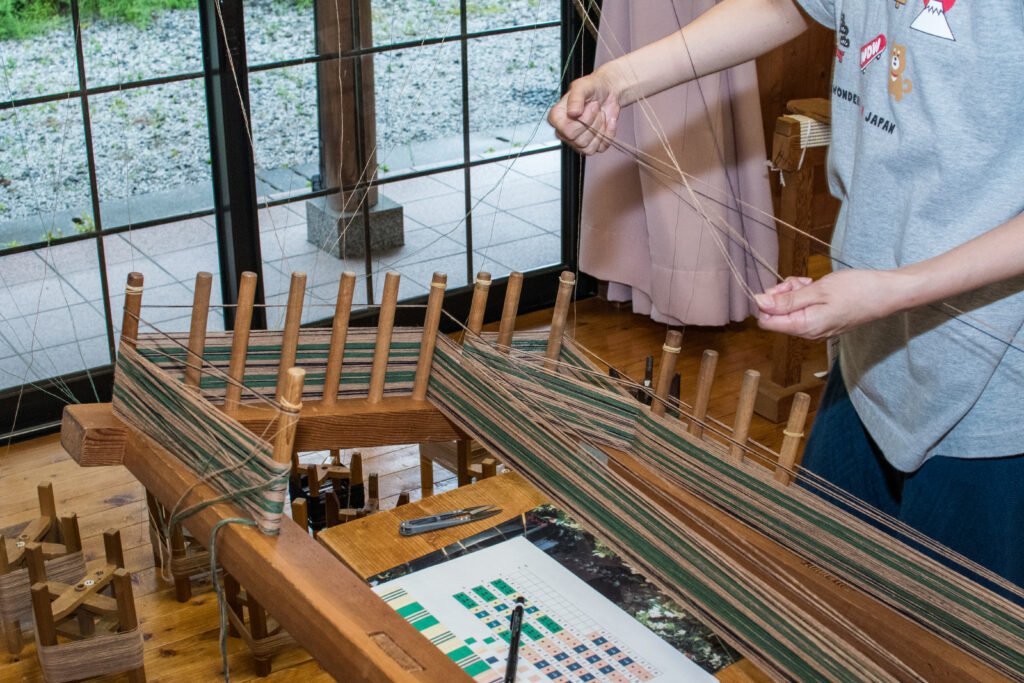
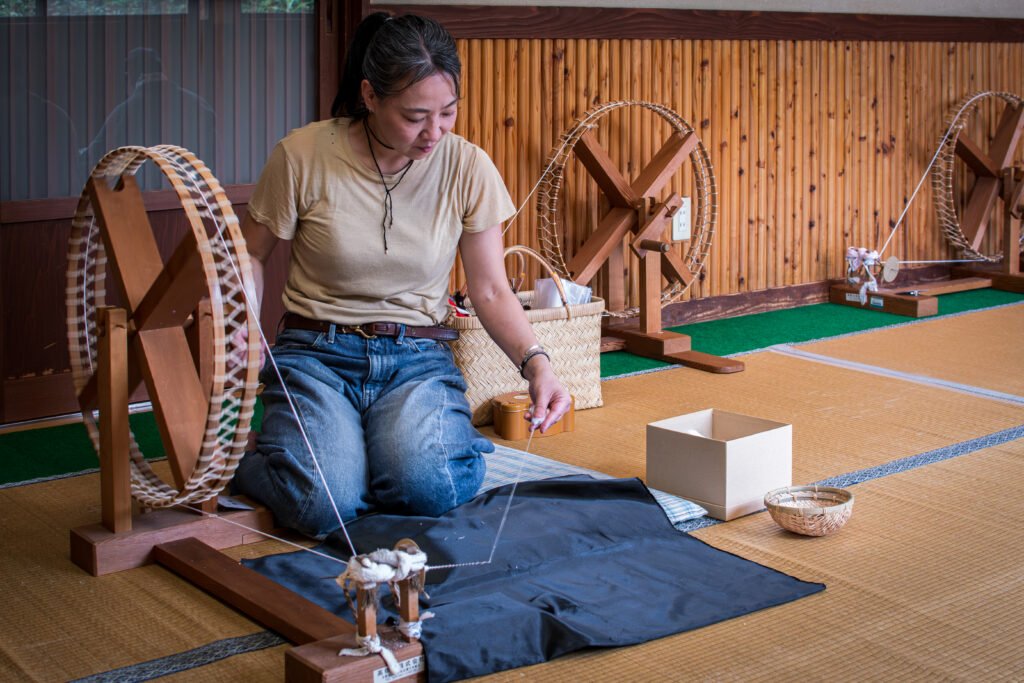
    This week I spent a couple days photographing people who are learning to weave a traditional style cloth called Tamba-Numo. The unique textile originated in our village of Saji in the early nineteenth century, and has been designated as a “Selected Intangible Cultural Property” by the Japanese government.

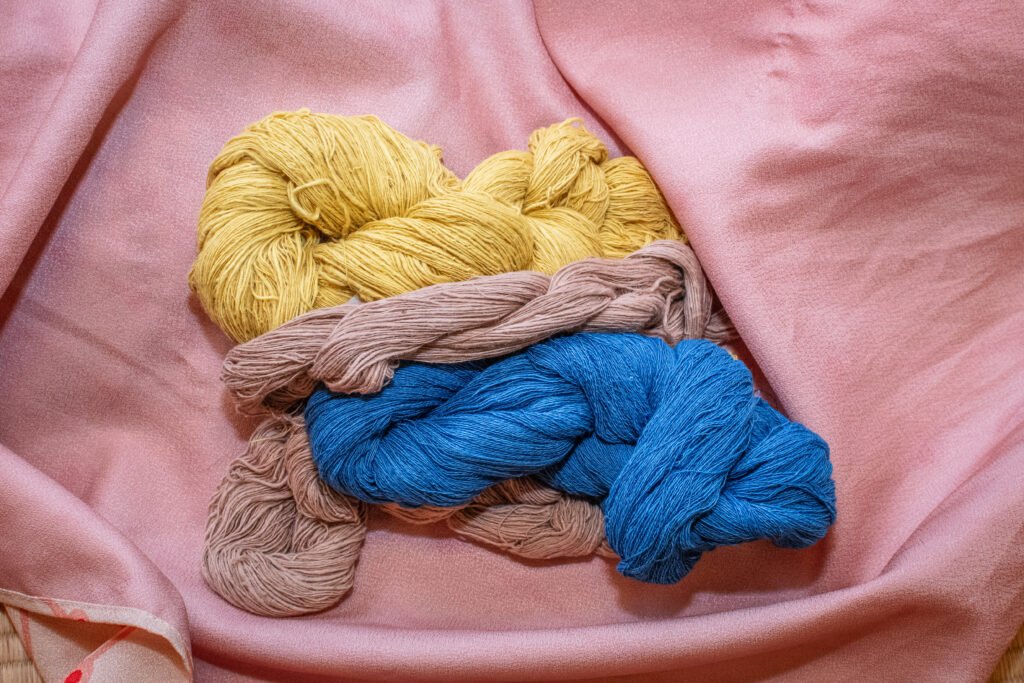
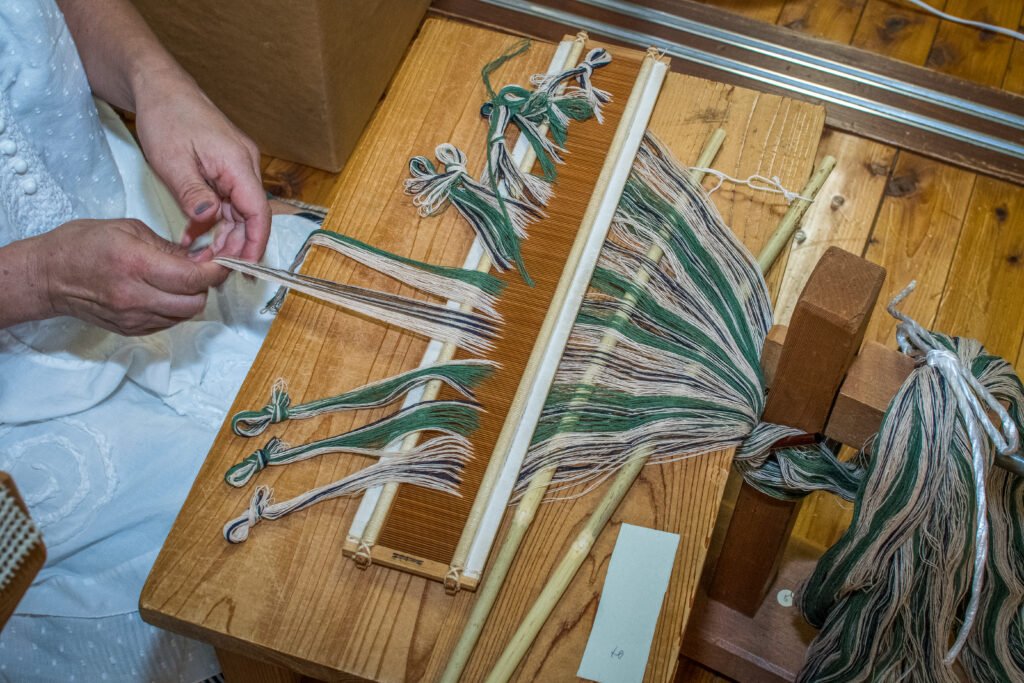
    Under the guidance of Ryo Sensei (shown here checking a student’s work), six students at a time embark on a two-year curriculum to learn the intricate craft of producing Tamba-Numo. It’s a unique fabric made primarily of cotton with a blend of silk, and colored with dyes derived from local plants like chestnuts and cherry bark. It’s used mainly for informal kimonos.

    People come from all over Japan to learn to do this, often quitting their jobs and living in a nearby dormitory. I’ve gotten to know some of them since they become part of our neighborhood while they’re here.

    I was impressed by the incredible intricacy and precision of the process.

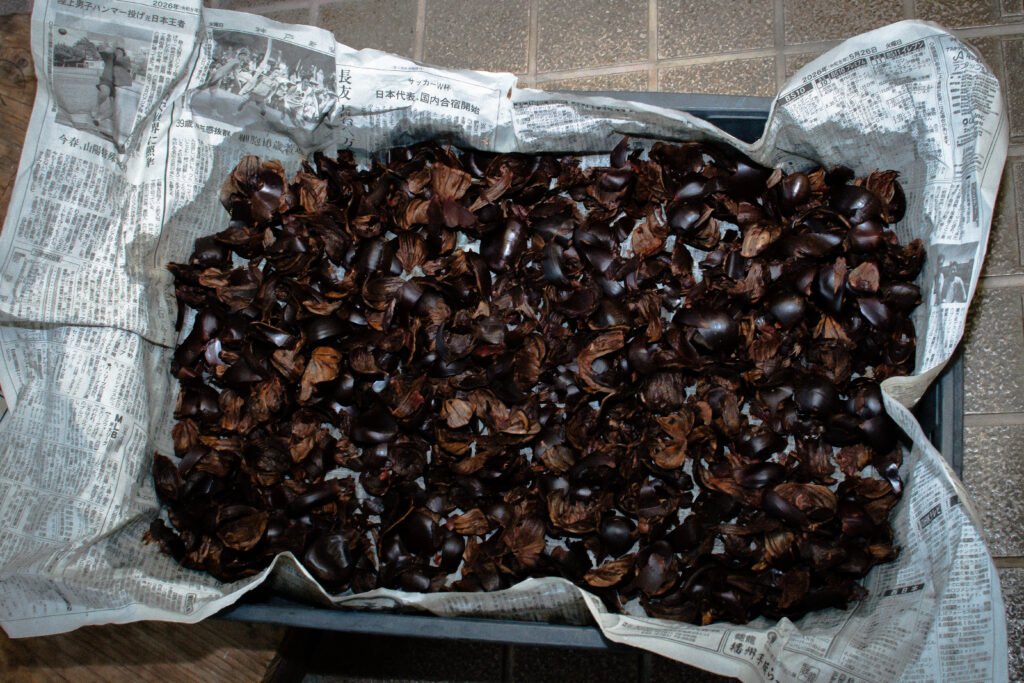
    And by the many plants used to make dyes, like these chestnut shells.

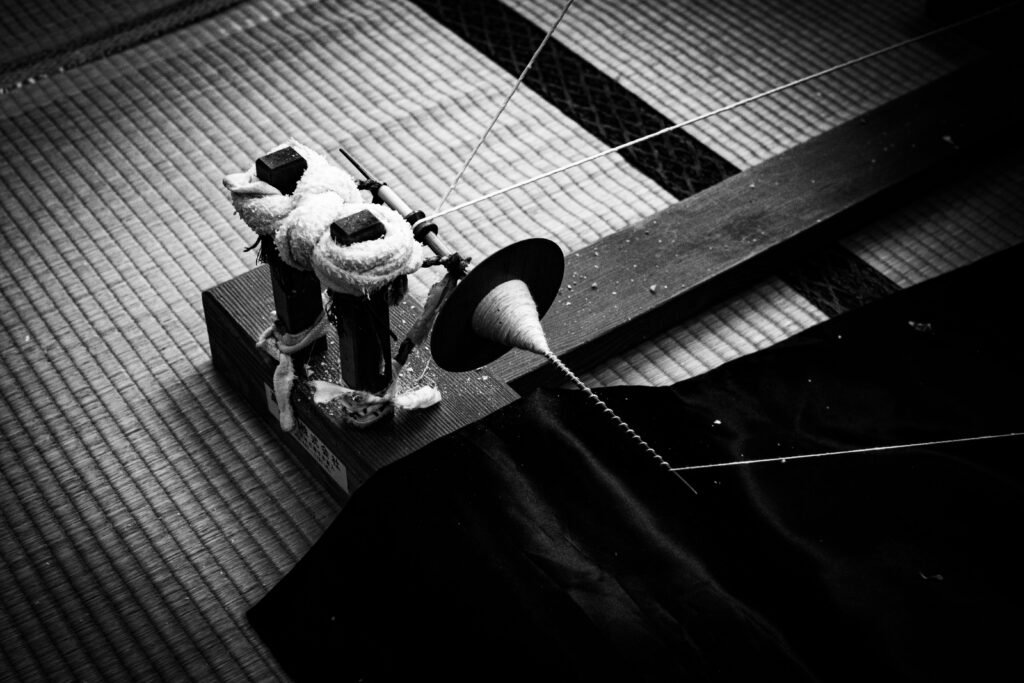
    It filled me with awe to watch people practice such a delicate and beautiful craft.

    It also made me wonder: How was such a complicated thing like weaving ever invented? It seems so improbable, yet it exists all over the world. We humans can be so amazing, especially when we work together.

    ***