
Impermanent Resident

  • Everything is Strange to a Stranger

    Everything is Strange to a Stranger

    Nearly every day I see something that’s strange and funny, like a Playboy scarecrow.
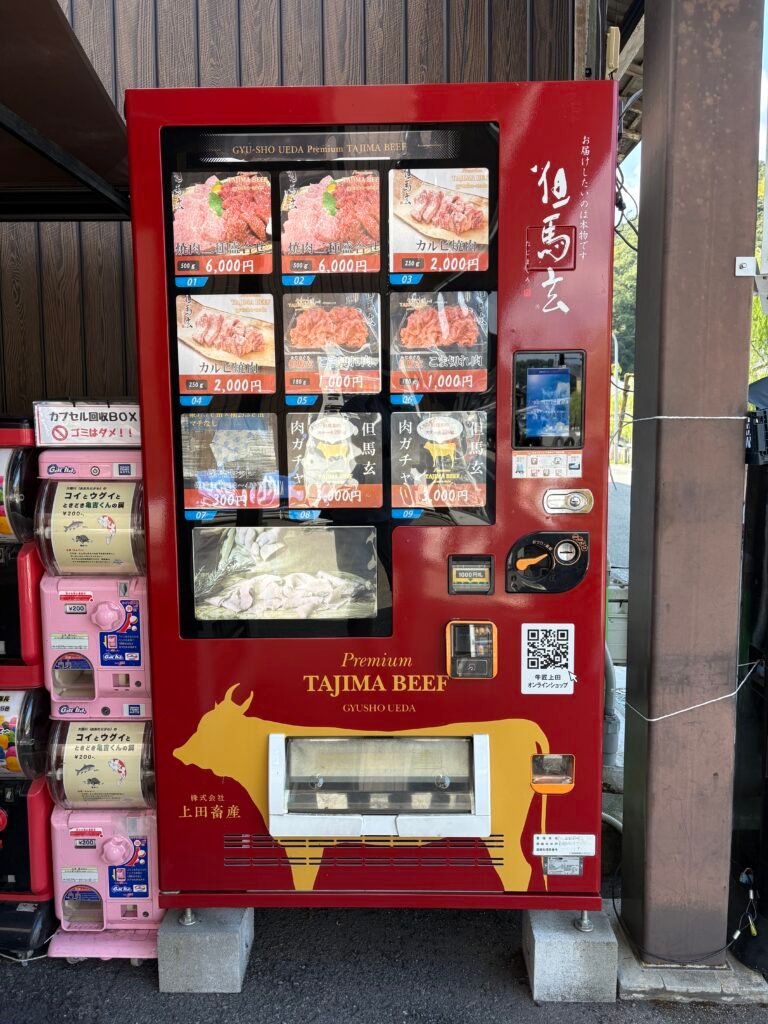
    Or a vending machine that dispenses meat.

    Ok, Tajima beef is really good. It’s actually the origin of the more famous Kobe beef. People in Tajima are rightly proud of it, so why shouldn’t they distribute it via vending machines so that the whole world can enjoy it? After all, you can buy an entire bento box meal from a vending machine in Japan, as well as beer and sake to wash it down. I could sustain myself in Japan entirely on what I can buy from vending machines and Lawson. Maybe I’ll try it for a week and write about it here.

    I don’t know if the people who put that beef vending machine out there on the street had a laugh when they did it, but I suspect not. Yet to me, as a foreigner with wired-in ironic distance, it’s unavoidably strange and funny.

    In some cases (like the Playboy scarecrow) it’s clear to me that Japanese people are being consciously whimsical. And in some cases, perhaps something even deeper is going on. You don’t have to be a foreigner to laugh at this sliding board, or wonder why it has two ways to slide down but no way to climb up.
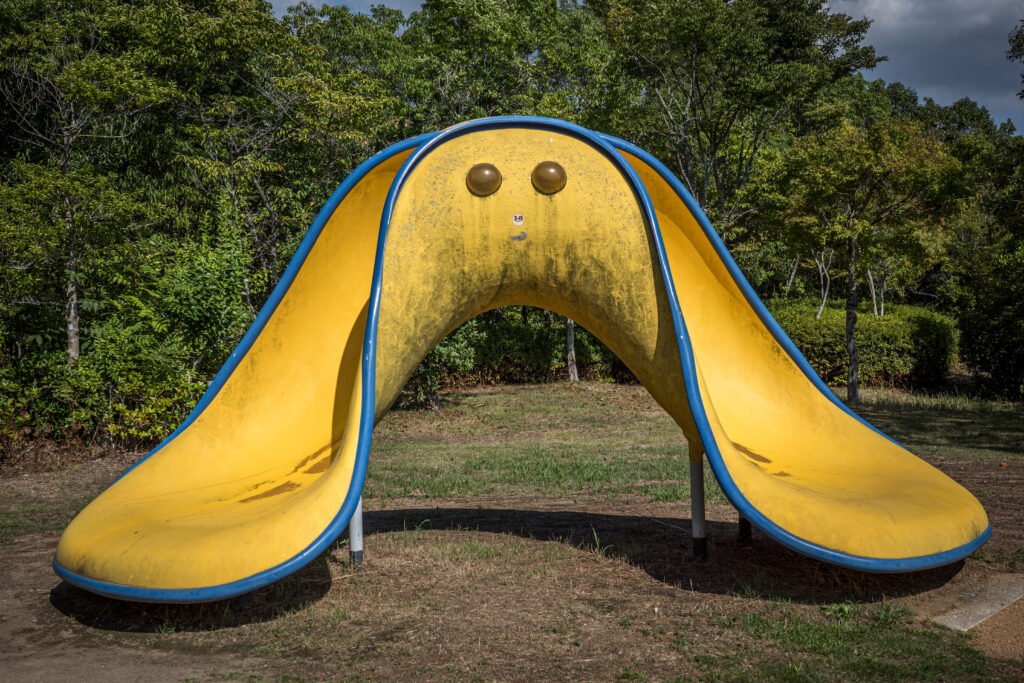
    Could it be a metaphor for the inherent absurdity of life, being subliminally introduced to Japanese children through the medium of playground equipment? “But Andy” — I can hear people saying, paraphrasing Freud — “sometimes a sliding board is just a sliding board.” To which I would retort, “Yes, and note that Freud said ‘sometimes.’”

    I suppose it is sometimes true that the strangeness I perceive in Japan is as much in me as in the things I perceive. For example, this truck seems strange to me: out of place and yet entirely at home.
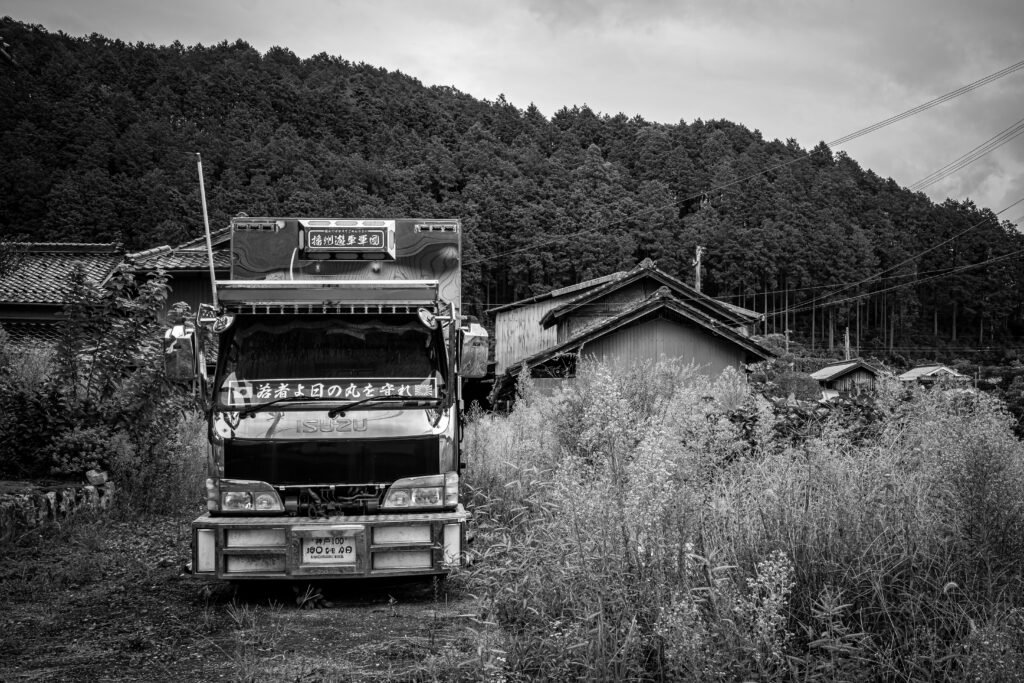
    Of course, as a foreigner living here, I often experience a combination of feeling out of place and at home. Freud would say that I’m projecting my own sense of estrangement onto the truck. Maybe so. But what I’d say to Dr. Freud is, sometimes a strange truck is just a strange truck.

    I hope it always feels this way to live in Japan.
    ***

  • The Power of Music

    The Power of Music

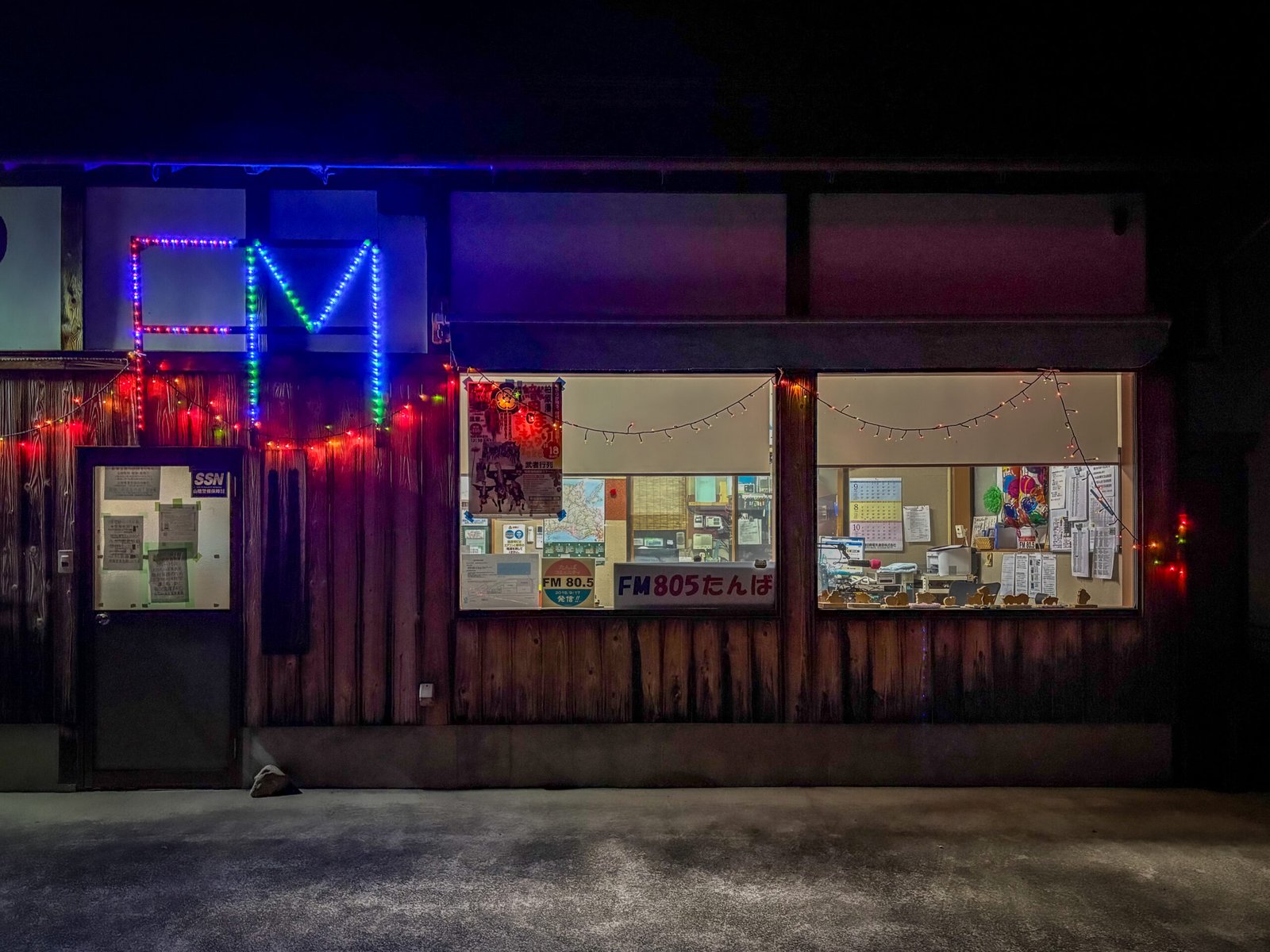
    I love music, and so one of the things I do for fun here is host a radio show once a month on Tamba Public Radio, 80.5 FM. The show is called “Atarashi (new) Radio.” My wife and a couple of friends always join me as co-hosts, and for half an hour we play new releases, across many genres, and talk about the music and whatever else we feel like.

    The building that houses the studio sits next to a rice field, and my show is at night, so I always approach the place in the dark. The way it’s lit up makes me feel welcome. My co-hosts and I try to make listeners feel the same way, as if they’re joining us in the studio.

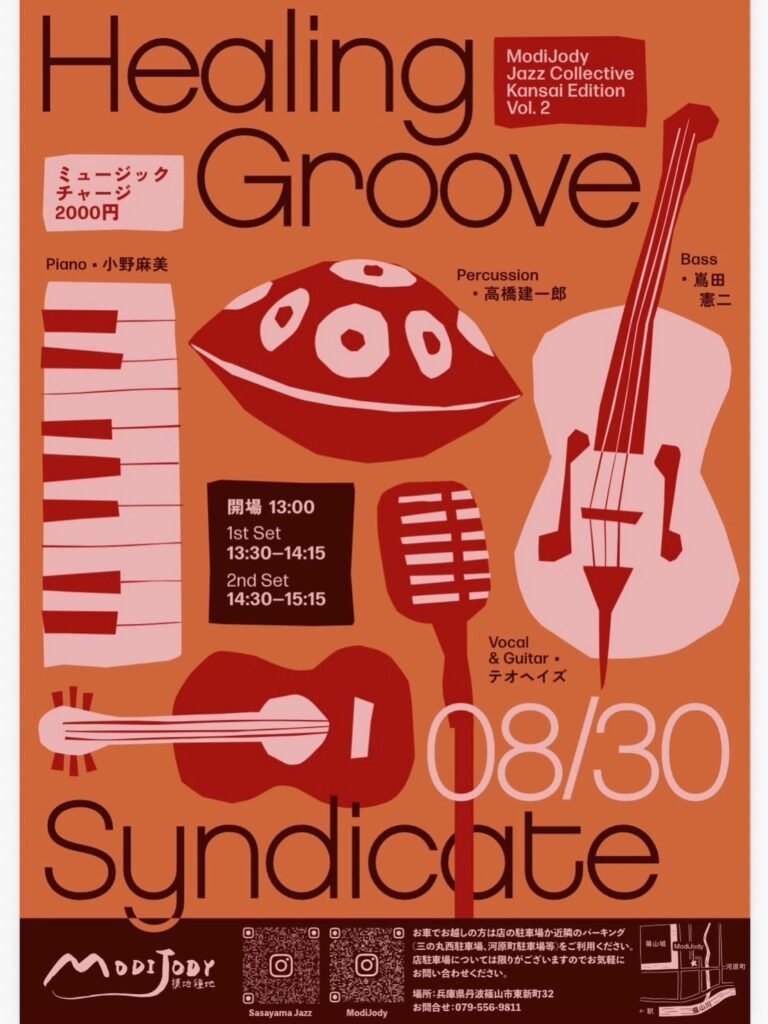
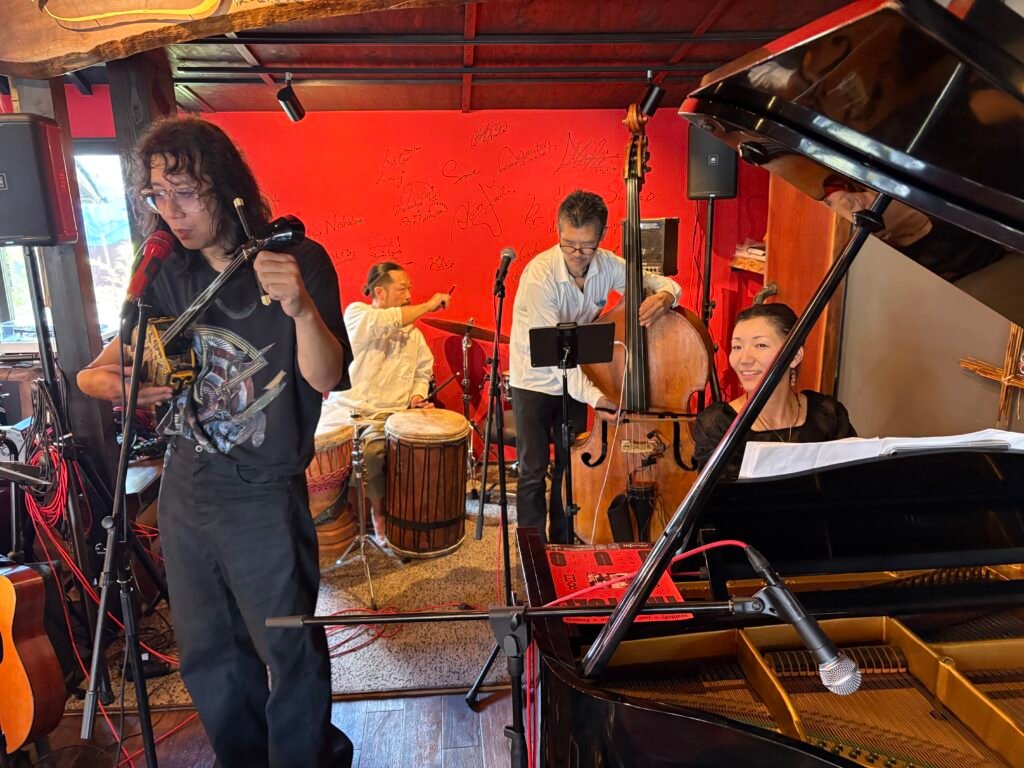
    In addition to the radio show, I satisfy my hunger for music by going to live shows. Even though I live in the countryside, there are plenty of venues if I’m willing to travel a bit. About a half an hour’s drive away there’s a new music club called Modi Jody, where my wife and I have become semi-regulars and befriended some of the musicians and fellow patrons.

    The quality of the music is always very high, featuring professional musicians trained at top music schools in Japan and abroad. The club hosts bands that play jazz standards as well as original compositions across various genres.

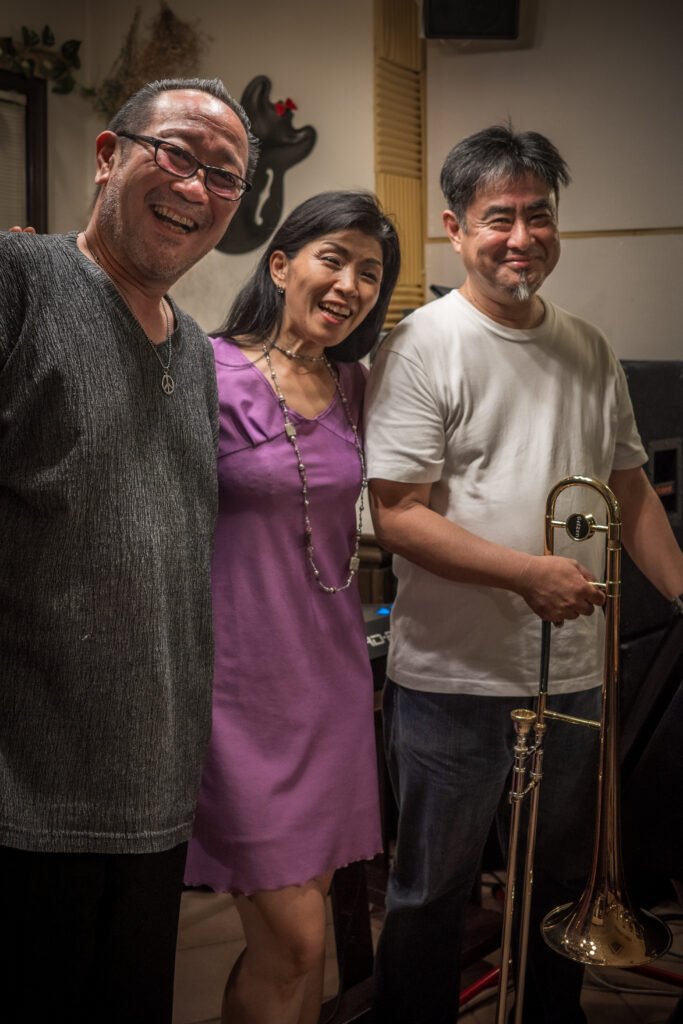
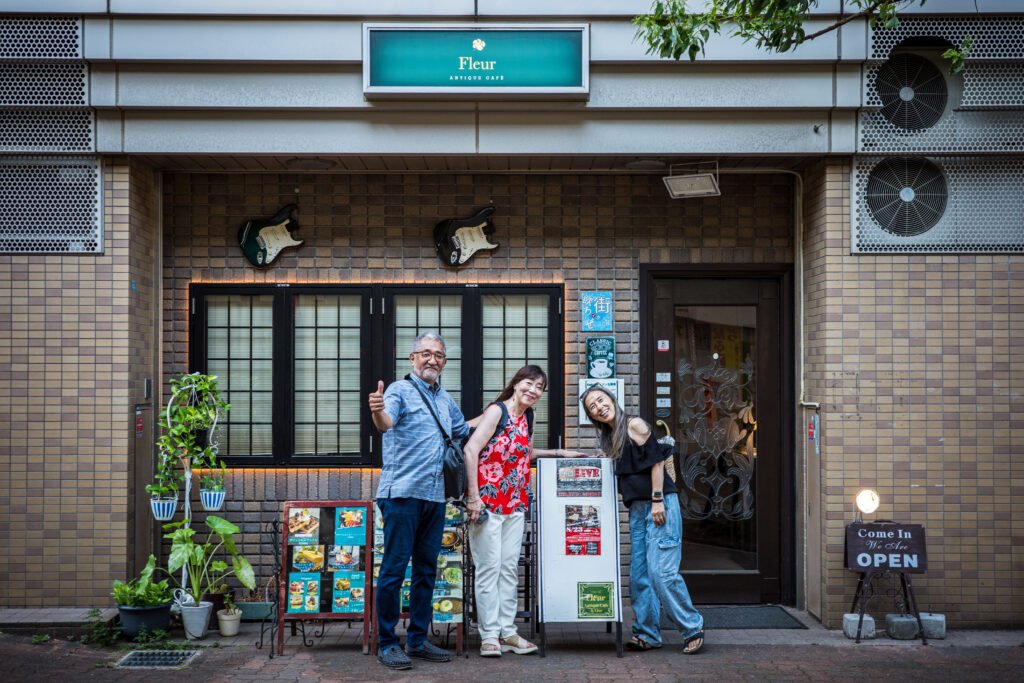
    A little further away, the cities of Kobe, Osaka, and Kyoto are each within a two hour drive or train ride of my home, and there’s plenty of live music happening in each of them all the time. We recently went to Kobe to hear our friend and jazz singer Taeko perform with a pianist and trombonist (Taeko had a twenty-year music career in New York before returning to Japan during the pandemic).

    Two of our friends who live in Kobe joined us for the show. At one point they were moved to tears by the beauty of Taeko’s singing. That’s music. Like nothing else, it has the power to heal, to inspire, and to bring people together.

    ***

  • Mapping My Memories

    Mapping My Memories

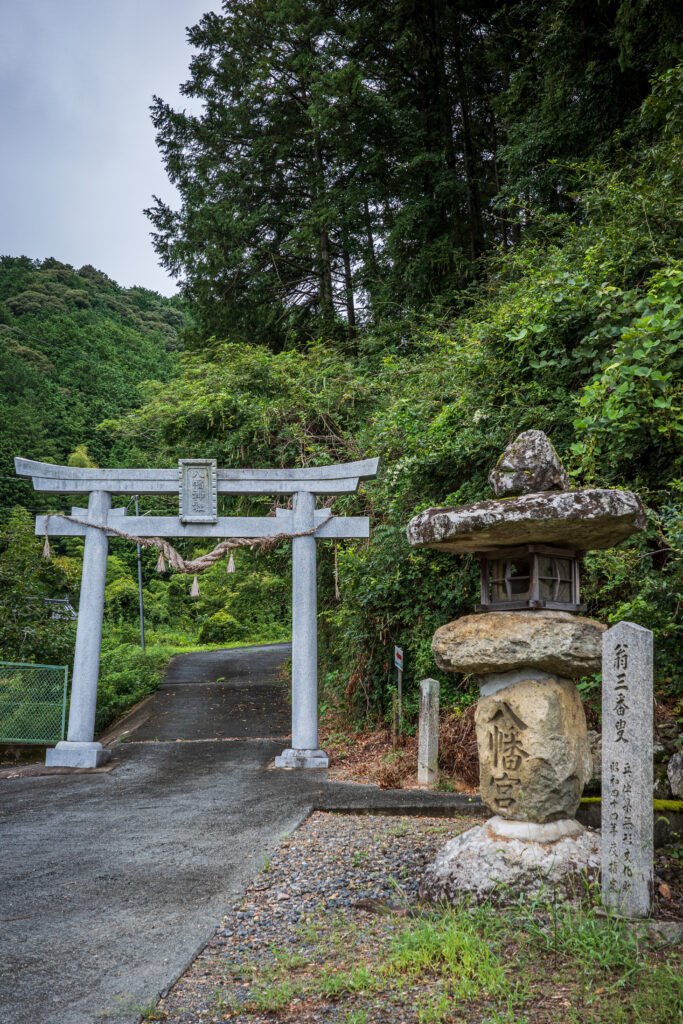
    Today I rode my bicycle along a country road near my home, thinking that I’d stop and investigate a Shinto shrine that I’d never been to. Several months ago I had passed by its torii at the side of the road. Torii are traditional gates located at Shinto shrines to mark the boundary between the mundane and the sacred, and to welcome the gods, called kami. I was impressed by this torii and the steep road beyond it that snaked up a mountainside and led to the mysterious shrine. I promised myself I would visit when I had the chance, and today was that day.

    I pedaled through the torii and up the steep road in low gear, huffing and puffing as I reached a flat place from which a long flight of stone stairs led up to the shrine. Before climbing the stairs I turned and looked back down the road I had just ascended. As I took in the view of the valley below it seemed very familiar to me, and I suddenly realized that I had visited this shrine before. It was perhaps two decades ago, but the memory of it was very clear. I had never actually forgotten it — it’s just that I didn’t associate the memory with that particular torii in that particular place along the road.

    It’s like this with many of the places that I visited when I was merely vacationing in Japan: I remember them, but I can’t point to most of them on a map. When I was on vacation I was often being driven around by other people, and I almost never knew exactly where I was. But now that I actually live here I’m exploring on my own and forming a mental map, and the memories of those long ago visits have begun to attach themselves to places on my mental map as I return to the sites I’d visited. As with today’s visit to the shrine, the return visits are usually accidental, and surprising. “Oh, so this is where that was!”

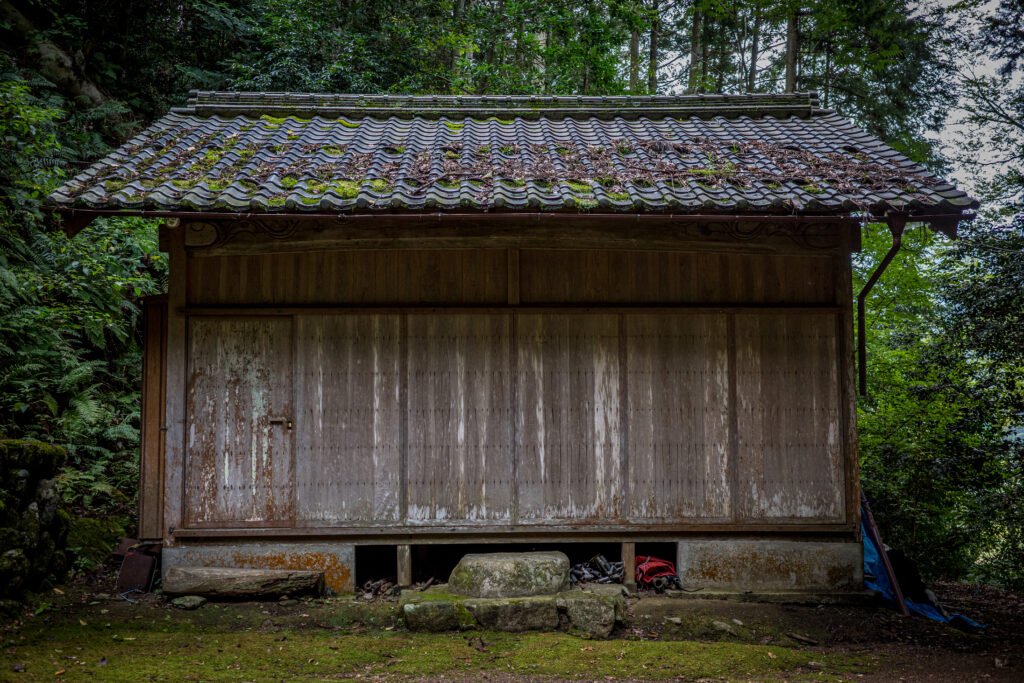
    Realizing that I’d already been to this place, I ascended the stairs and knew what I would see at the top: an old shrine notable for both its height and elaborate wood carvings, and a rectangular storage building that possesses a certain kind of beauty in its own right.

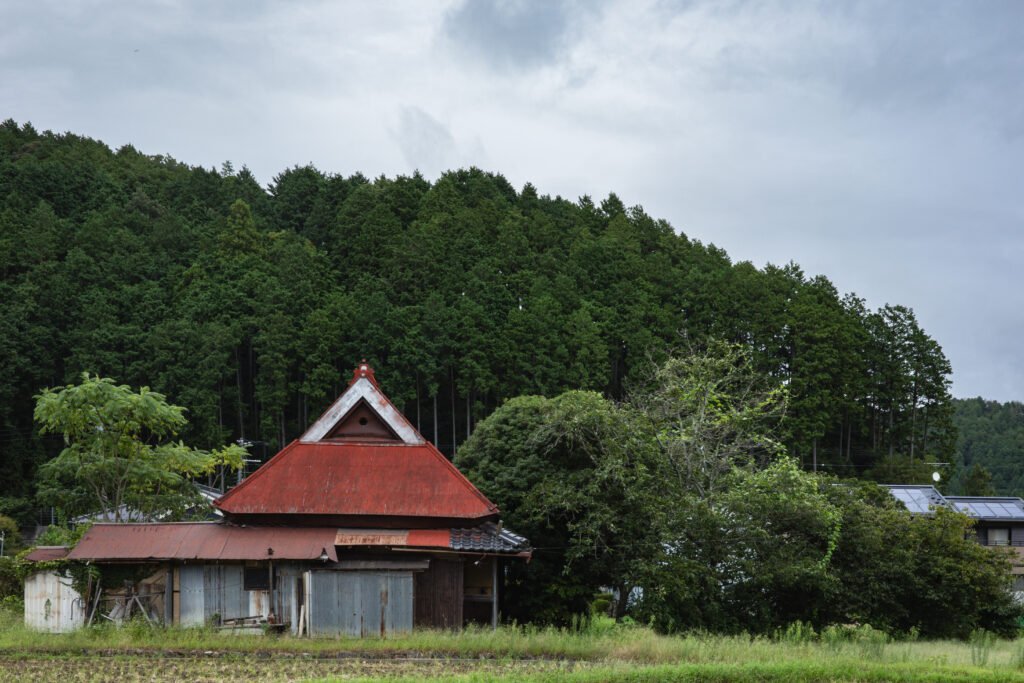
    On the way home I had another such surprise. As I rounded a corner, a farm building with a distinctive red metal roof came into view, and I immediately recalled photographing it years ago. At the time I had even marked it as, “Exact location unknown.” It was very nice to become reacquainted with the subject of one of my old photos, and now that I can point to it on a map I feel a deeper connection with it.

    What will be the next place that I rediscover and add to my map?

    ***