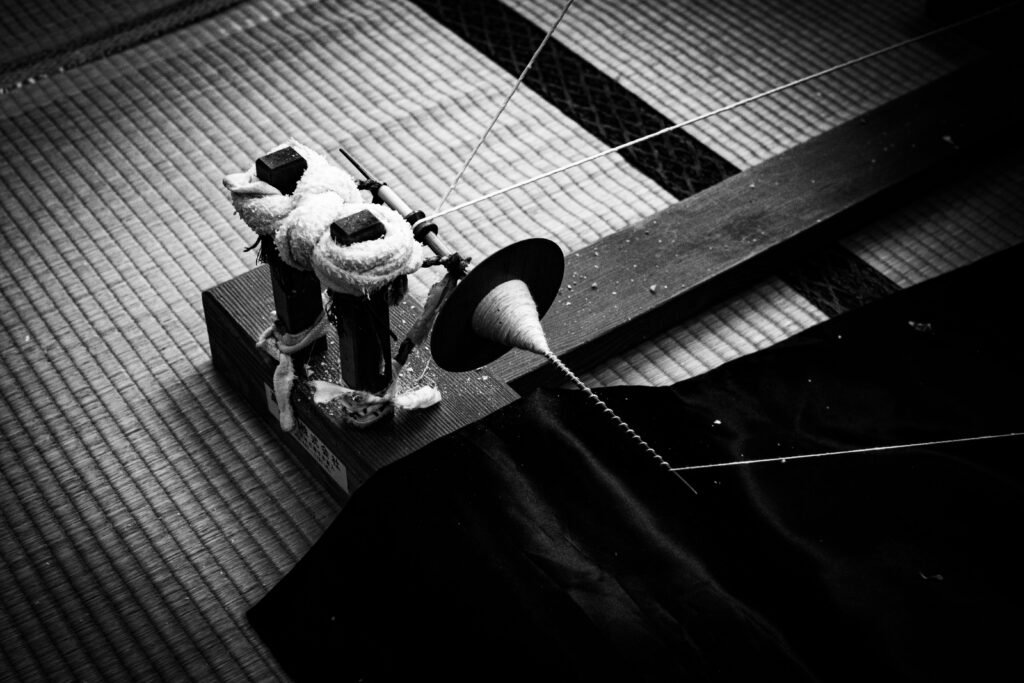
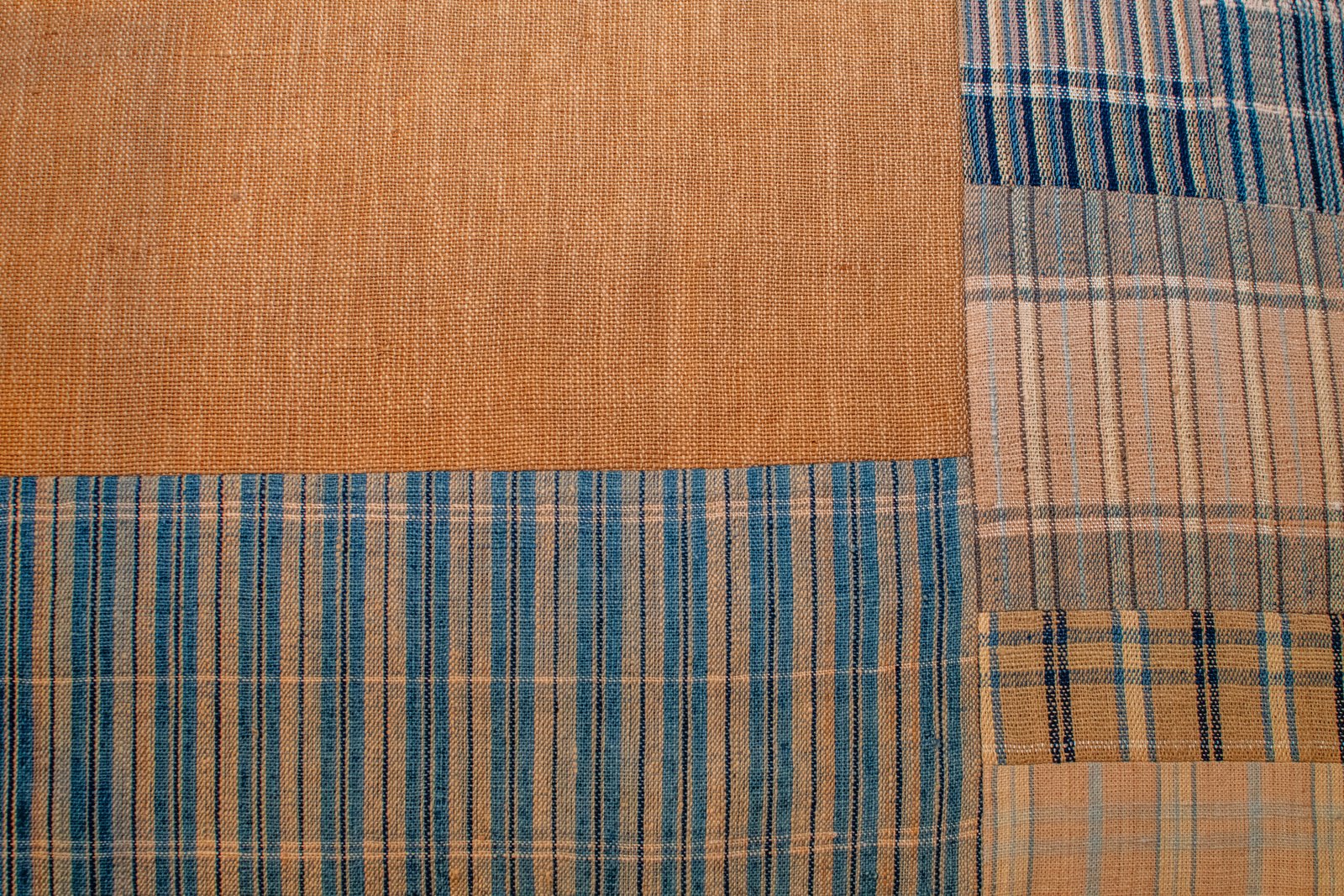
This week I spent a couple days photographing people who are learning to weave a traditional style cloth called Tamba-Numo. The unique textile originated in our village of Saji in the early nineteenth century, and has been designated as a “Selected Intangible Cultural Property” by the Japanese government.
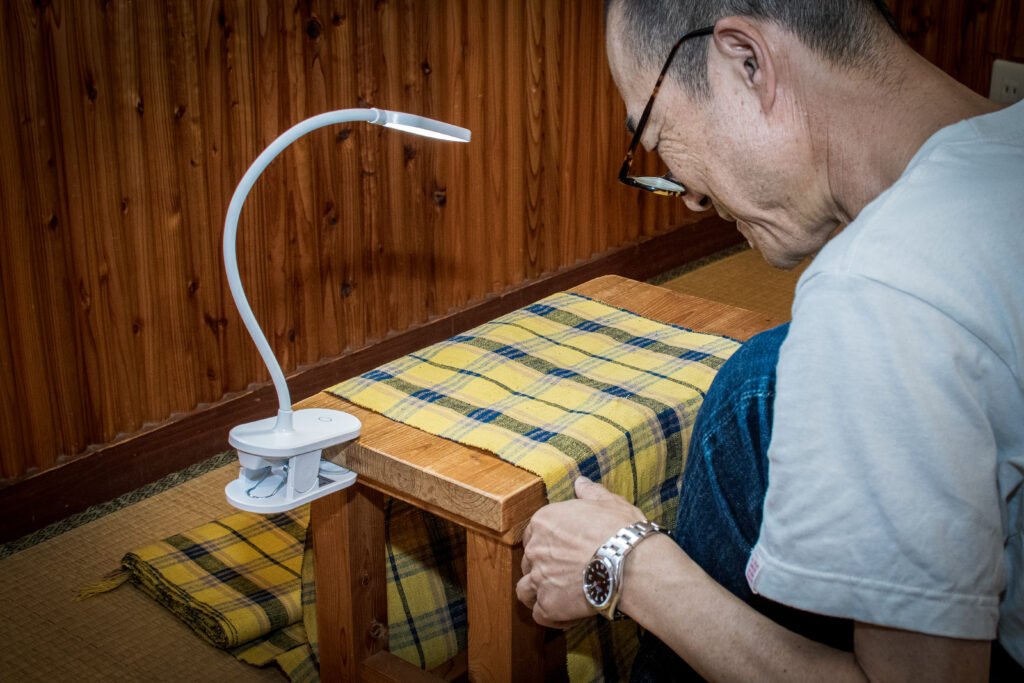
Under the guidance of Ryo Sensei (shown here checking a student’s work), six students at a time embark on a two-year curriculum to learn the intricate craft of producing Tamba-Numo. It’s a unique fabric made primarily of cotton with a blend of silk, and colored with dyes derived from local plants like chestnuts and cherry bark. It’s used mainly for informal kimonos.
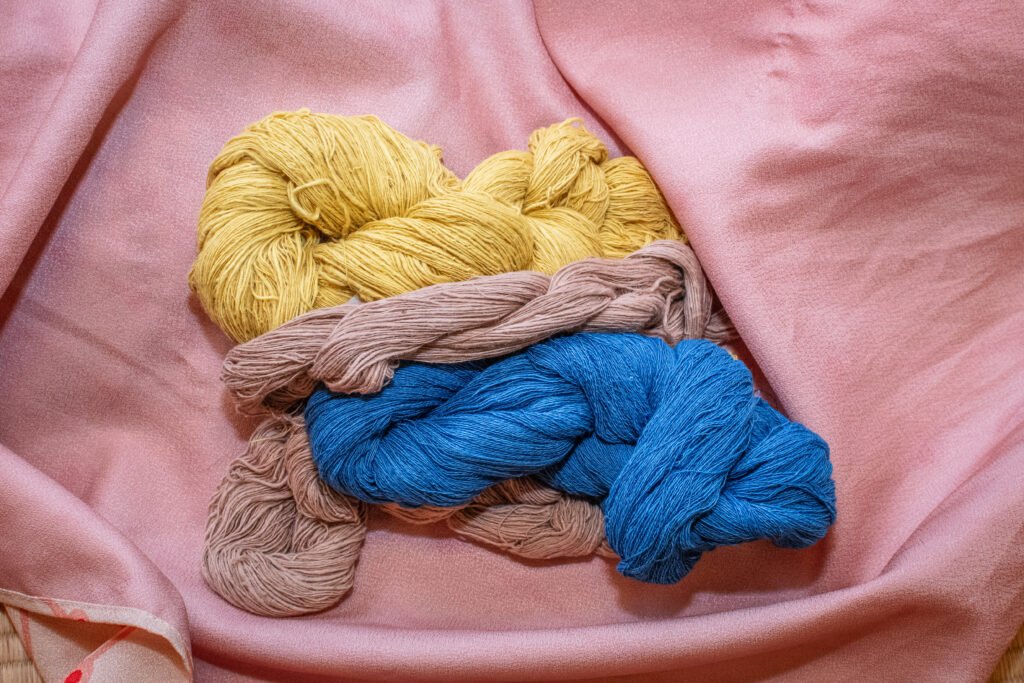
People come from all over Japan to learn to do this, often quitting their jobs and living in a nearby dormitory. I’ve gotten to know some of them since they become part of our neighborhood while they’re here.
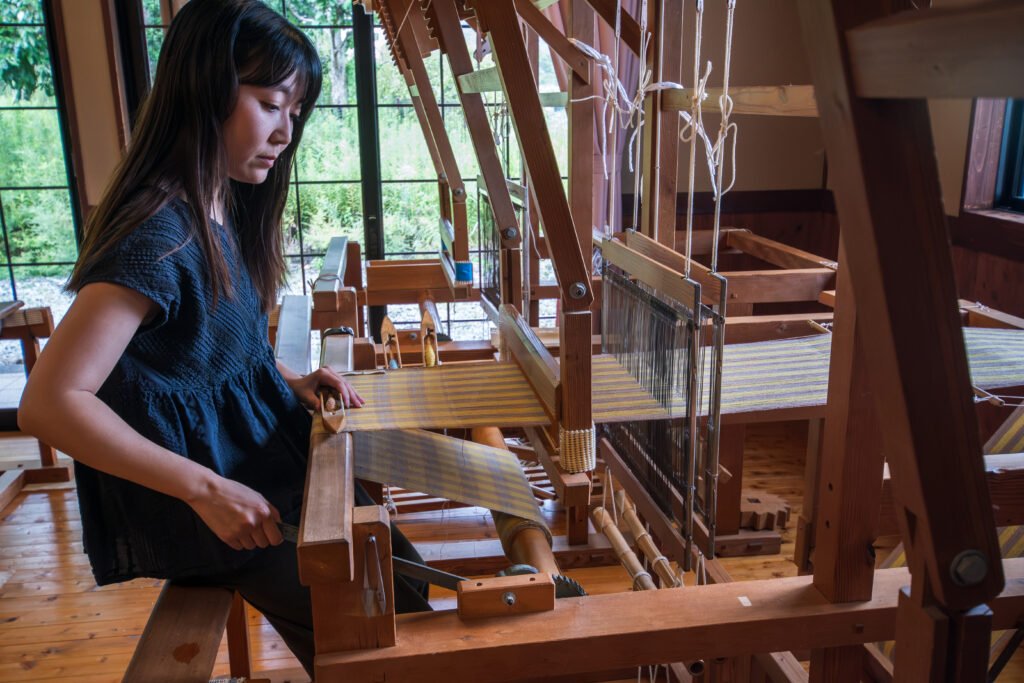
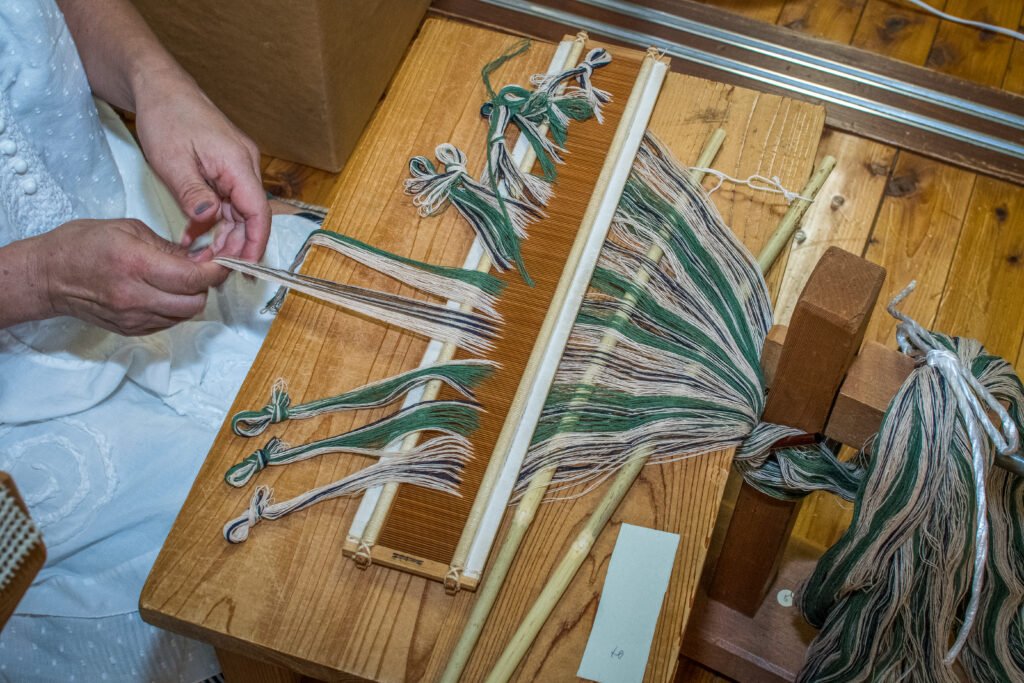
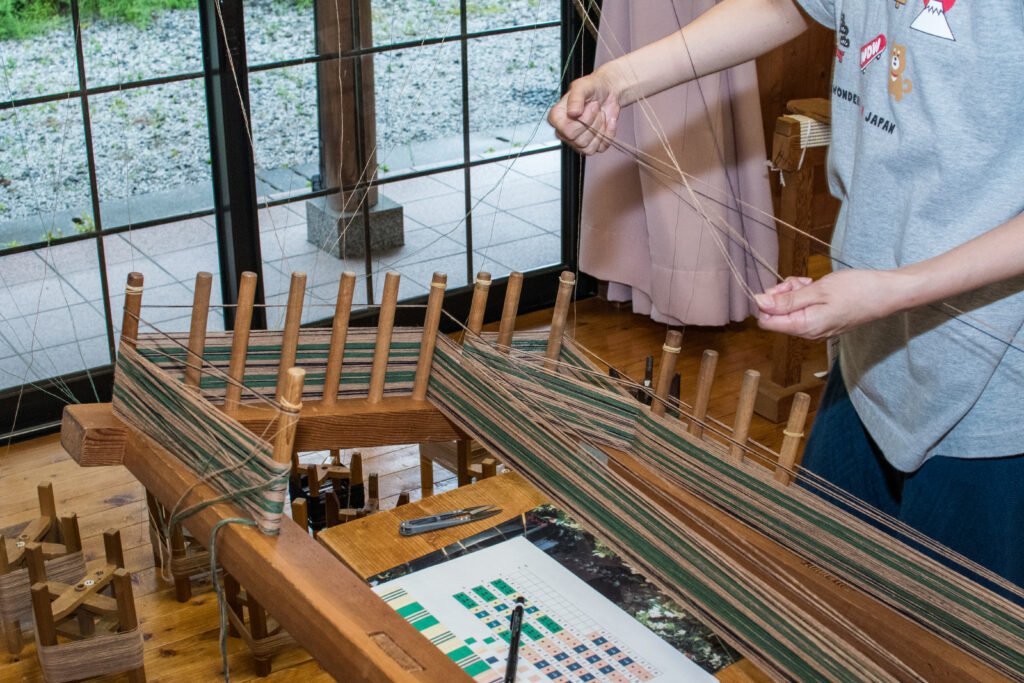
I was impressed by the incredible intricacy and precision of the process.
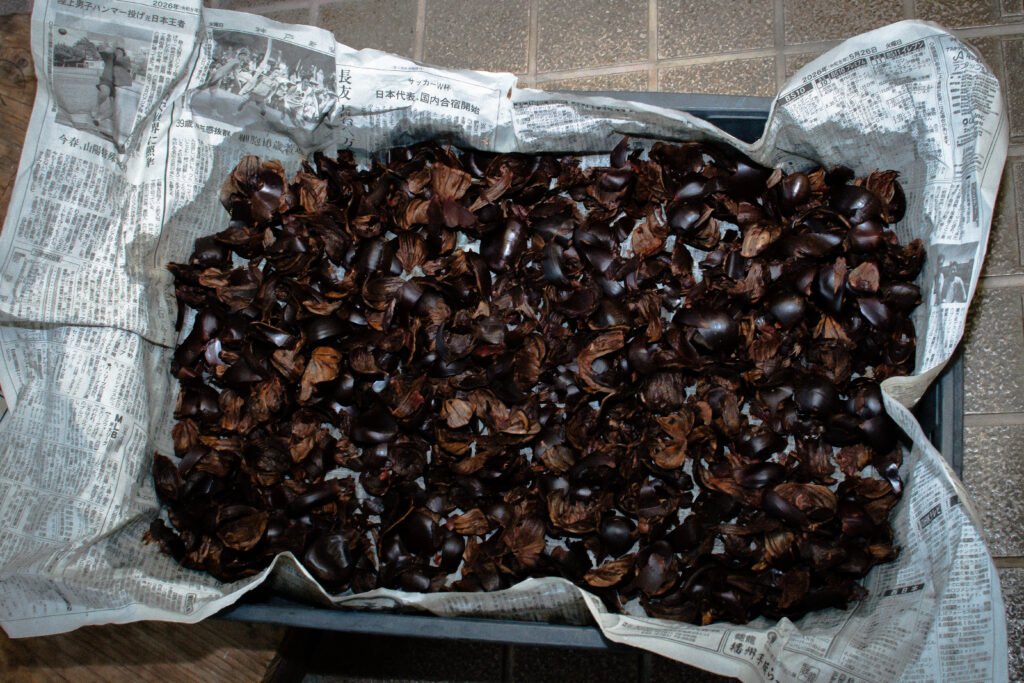
And by the many plants used to make dyes, like these chestnut shells.
It filled me with awe to watch people practice such a delicate and beautiful craft.
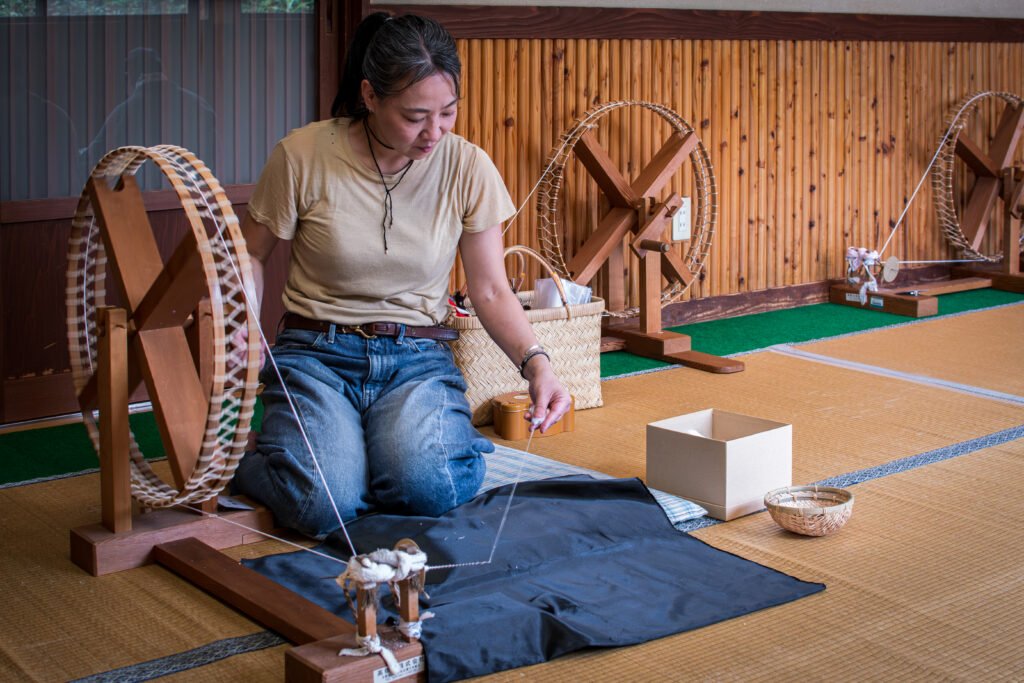
It also made me wonder: How was such a complicated thing like weaving ever invented? It seems so improbable, yet it exists all over the world. We humans can be so amazing, especially when we work together.